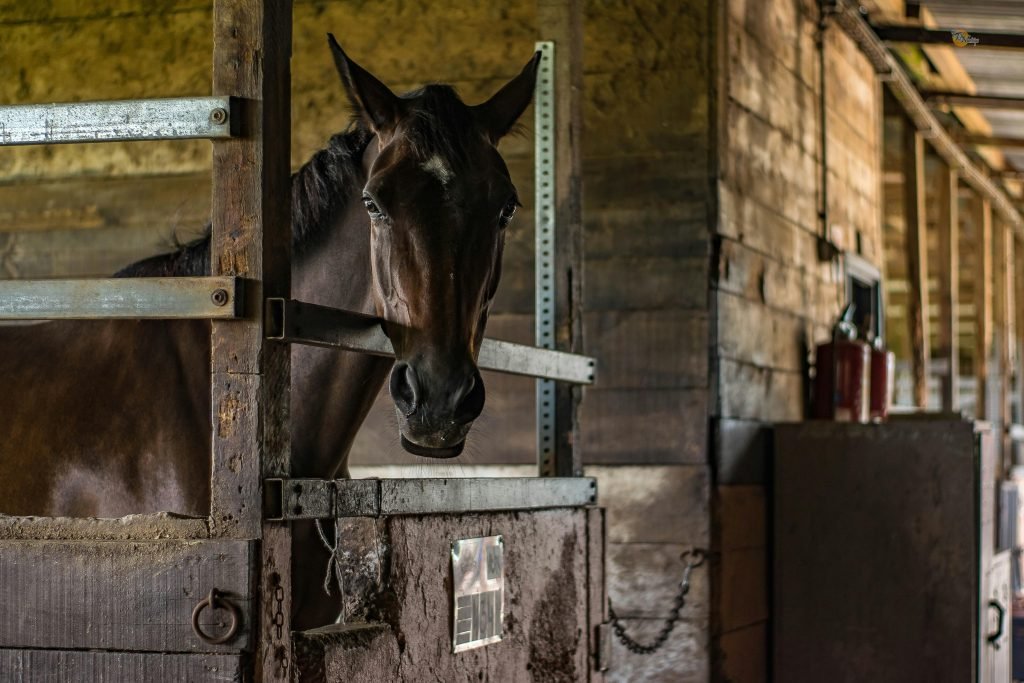
If you’ve ever walked into a racing stable, you know it doesn’t feel like chaos. Even though racehorses are prepared to be as fast as possible, everything feels quiet and intentional.
Which makes sense. Horses are easily scared animals, and quiet environments are necessary. There’s no loud music, no hardcore training. Just soft voices and the steady rhythm of hooves on the concrete.
From the outside, horse racing looks expensive and dramatic. It’s all about speed, betting, and the huge crowds at big events. But the stable energy is very different. Everything here is slower, more disciplined, and repetitive.
And if you pay attention, there are lessons there that can reach far beyond horse racing.
Mastery Is Built in Silence
Even though horses perform in packed racing venues, their training isn’t in front of crowds. The real work happens long before anyone is watching.
At the stables, everything is more relaxed, but that doesn’t mean that the training is not effective. You’ll notice gallops at dawn, careful feeding schedules, and routines that rarely change. Every day is the same.
Spiritually speaking, that’s powerful. We often associate growth with big moments, but the stable teaches something quieter. After all, progress is built in private. The moments of celebration come after.
You don’t become strong in front of applause. You become strong in routine. And something is grounding about that idea. Understanding that most of the previous winners of the Kentucky Derby all built their stamina, speed, and endurance by doing repetitive work in a quiet environment.
You have horses like Mystik Dan, Sovereignty, or Rich Strike that dominated the Kentucky Derby quietly and peacefully. If you are thinking about making a bet on this year’s Kentucky Derby, try to look for those traits in this year’s competitors.
To learn more about past Kentucky Derby results, click the link below: https://www.twinspires.com/kentuckyderby/results/
Patience Is Part of the Process
A horse isn’t born into racing. They steadily get there by training. A young horse doesn’t go straight to the biggest race on the calendar. It builds up. We’re talking about short works, minor races, and conditioning.
There’s a rhythm to development. In a world where people want instant success fueled by fake social media, racehorse training is a reminder that everything requires time.
If you push too early, you can risk burnout, and if you skip steps, the foundation might crack at your biggest moment.
That principle goes far beyond horse racing. Whether we are talking about career growth, personal development, or spiritual practice, impatience can derail progress. Every stable operates on long timelines, and they always respect readiness over urgency.
After all, sometimes the most disciplined move is waiting.
Control What You Can, Release What You Can’t
Trainers are in charge of managing the horse’s diet, conditioning, training routine, rest, and equipment. They analyze scenarios before big races and study competitors.
But once the gates open, they are not in control of the situation. A slight stumble or being in the wrong position can bring an unexpected outcome.
However, being stressed over control is not the way. Sometimes you have to let things go and be what they are supposed to be. The stable teaches preparation without illusion. You should release everything you cannot control, but the things that you can be done perfectly.
That balance is crucial to spirituality and can be applied to every aspect of our lives.
Care Is Not Weakness
From a distance, racing looks hard-edged. Competition. Risk. Money on the line.
But inside a working stable, you see something softer.
Horses are brushed daily. Checked for small injuries. Monitored for mood shifts. Handled carefully. Recovery days are intentional. Nutrition is precise.
Care is constant.
Discipline doesn’t mean harshness. It means structure wrapped around responsibility. There’s a lesson there too: strength and gentleness aren’t opposites. They work together.
Rhythm Over Drama
Every stable runs on rhythm. You cannot switch it up every time you want or make changes that don’t follow a long-term plan. You need to feed, walk, train, and rest the horse, then repeat.
Nothing here is dramatic. In fact, some people might argue that this is boring.
However, spiritual growth often mirrors the same structure. We are talking about consistent practice, small improvements, and gradual strengthening over time. Some things cannot be rushed.
Although the outside world celebrates achievements (championships or trophies), if you remove the curtains, you’ll see that everything is built on continuity.
So, don’t be overwhelmed by growth. It’s calming knowing that real growth doesn’t always require constant excitement and pushing boundaries. The way you get there is by being consistent.
Presence Is a Skill
Lastly, we should talk about presence. You can’t rush through tasks while being distracted. Horses are very sensitive animals and can pick up on energy shifts. So, if you’re tense, they feel it, and if you’re calm, they settle.
This can be applied to everyday life. Being present isn’t passive. It means that you’re noticing small details, and your behavior has an effect on outside factors.
You should always be present and observe the situation. Also, you should notice how your behavior is impacting your environment. If your life is chaotic, maybe it’s time to change your behavior. But to notice that, you must be present.
Final Thoughts
Horse racing might look loud and intense, but the moment you step inside a stable, everything quiets down. That peacefulness is required in order for horses to grow and build their abilities.
It all comes down to discipline, routine, care, and patience. Yes, it might sound boring, but these rules can affect how we live our lives on a daily basis.
Leave a Reply